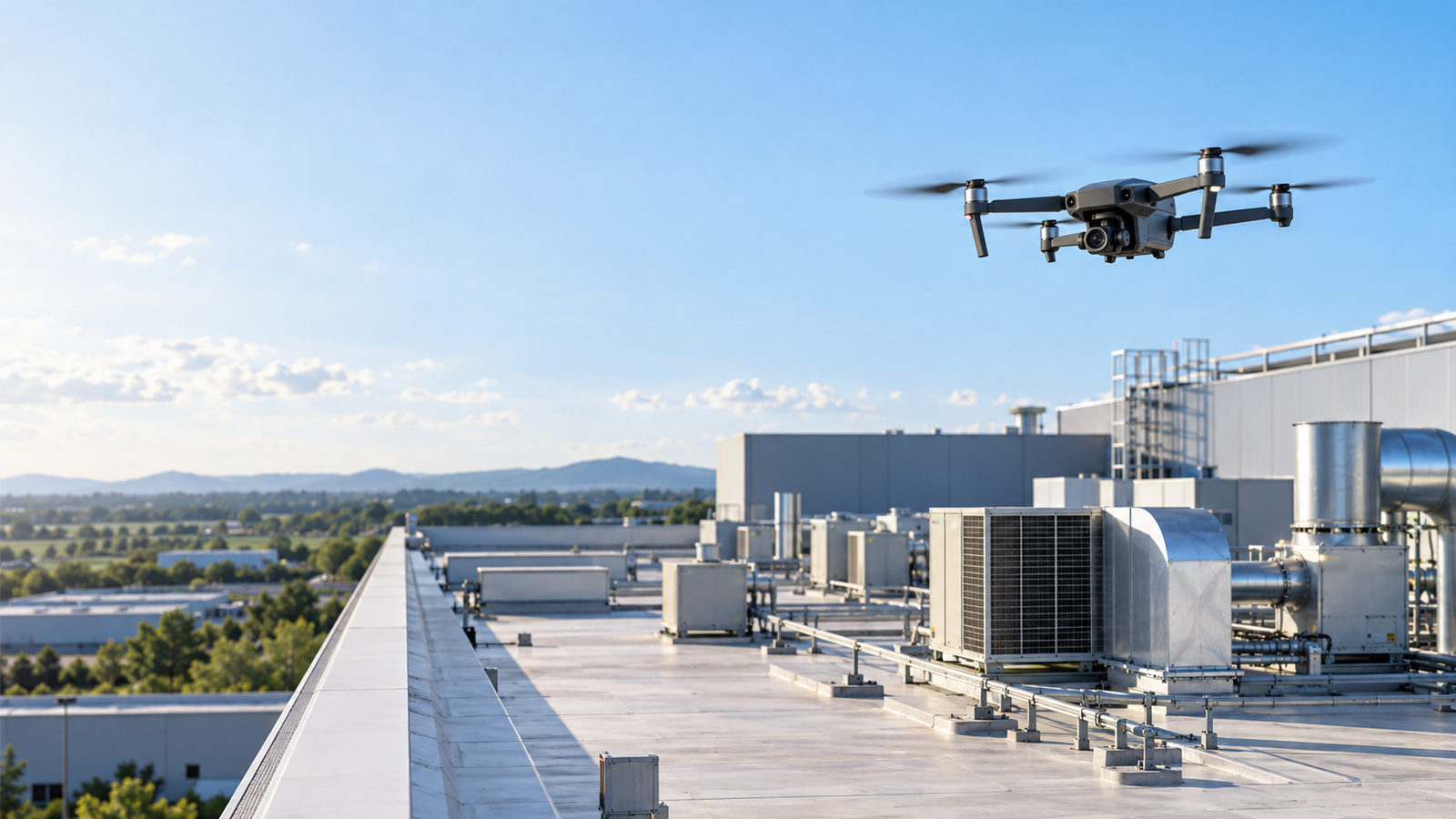
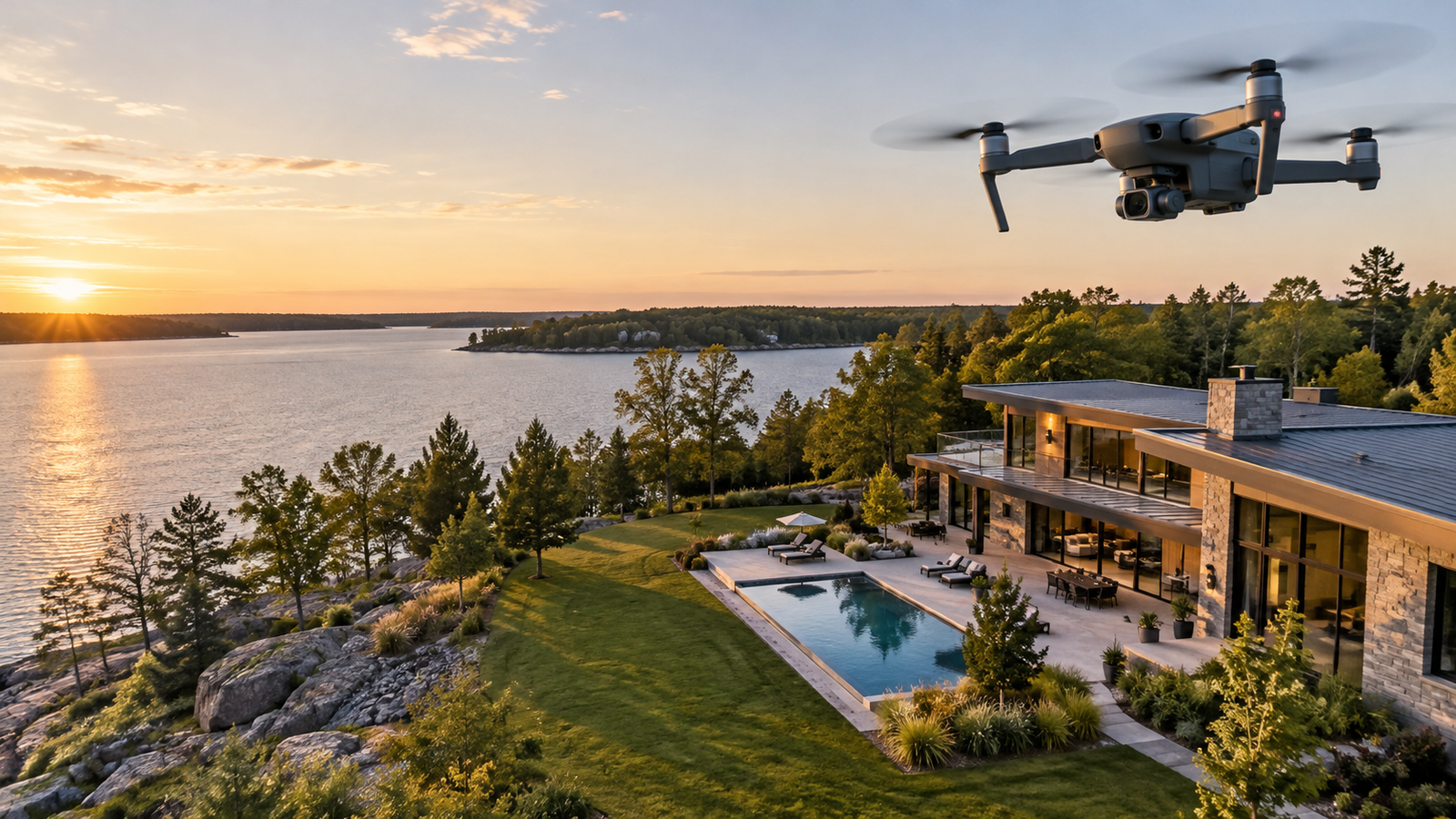
Aerial video can give a property, project, or event a perspective that ground-level footage cannot. The best results begin before takeoff: a clear brief, a realistic location plan, and enough time to coordinate the people and access needed on site.
Drone Security Services provides aerial video and photography services from the Greater Toronto Area. Whether you are documenting a commercial property, an industrial site, or a marketing project, this checklist can help you prepare for a productive conversation and a well-organized shoot.
1. Start with the purpose of the footage
Define what the finished video needs to accomplish. A project can call for broad establishing views, a progress record, a close look at a site feature, or footage for a campaign. Share where the video will be used, the intended audience, the key subject, and the preferred format. That information helps shape the shot list and the time needed on location.
2. Share the location early
The location affects access, airspace planning, nearby activity, and the best time of day to film. Provide the complete address or site coordinates, information about parking and access points, and any site contact who can help with entry. If the location has restricted areas, active work, or a narrow filming window, include that in the initial brief.
3. Build a practical shot list
A short list of priorities keeps a shoot focused. Consider a combination of wide context shots, approach shots, elevated views, and detail-oriented passes where appropriate. If a particular building elevation, piece of equipment, or work stage matters, identify it ahead of time. A shot list is a guide—not a substitute for conditions on site—but it gives the flight team a useful starting point.
4. Plan around people, vehicles, and site activity
Let the team know about scheduled deliveries, crews, public access, event timing, and other activity that could affect safe operations or the look of the final footage. Coordinating these details can reduce interruptions and help protect the time reserved for filming.
5. Leave room for weather and permissions
Weather, visibility, wind, and airspace requirements can affect a drone operation. A professional project plan should allow for a weather check and any permissions or operating requirements that apply to the site and mission. For an overview of current Canadian categories and requirements, review our Canadian drone regulations guide.
6. Confirm the handoff
Before the shoot, agree on the deliverables, format, and who will receive the finished media. This avoids uncertainty after the flight and helps ensure the footage is useful for its intended application.
Plan your aerial video project
Tell us about your location, project goals, and preferred timing. Request a drone shoot inquiry or contact Drone Security Services to start the conversation.